



Gut Health & Mental Health: Understanding the Powerful Connection Between Digestion and Mind

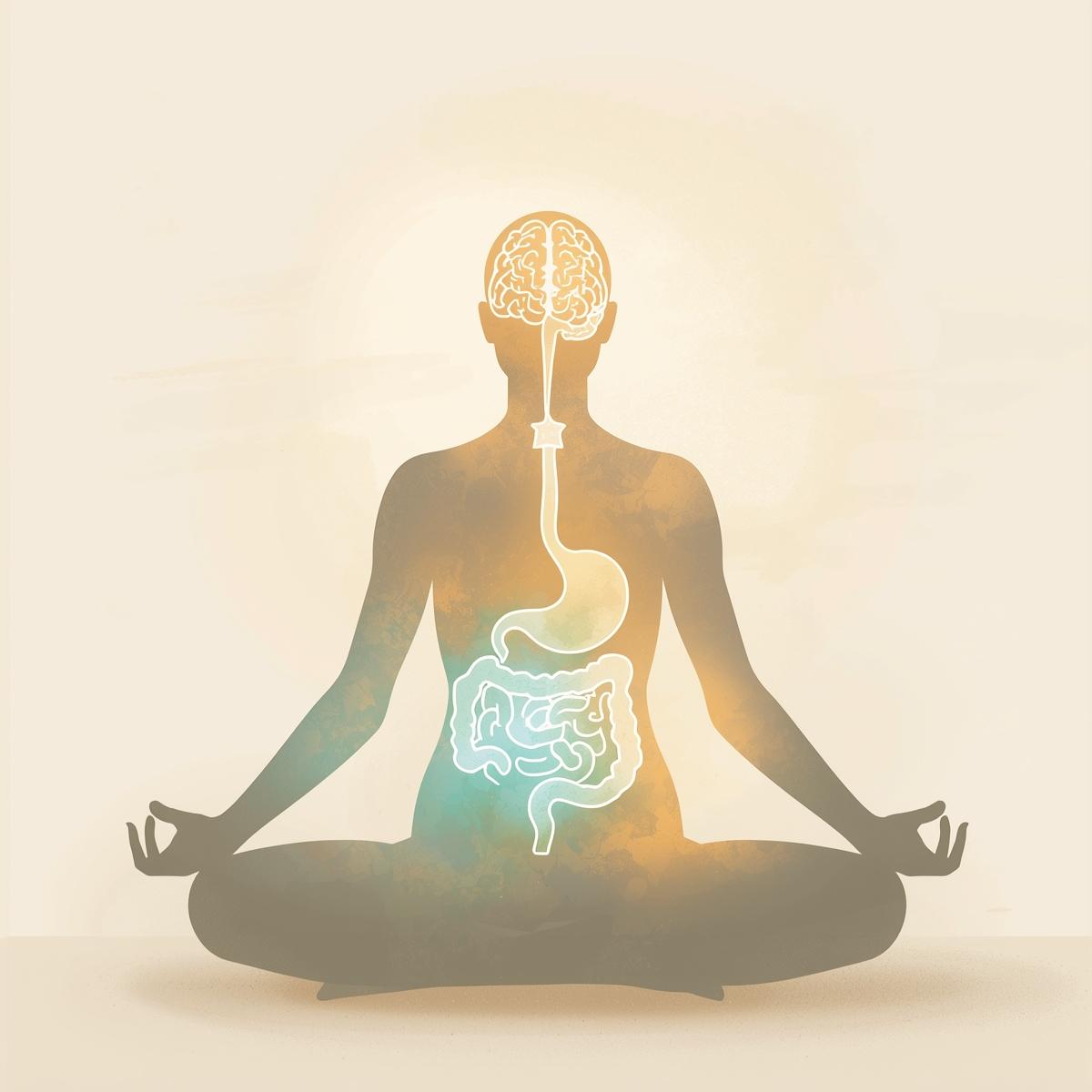
The connection between gut health and mental health is increasingly recognized in both modern science and traditional wellness systems like Ayurveda. The gut is often referred to as the “second brain” because of its close relationship with the nervous system. This connection, known as the gut–brain axis, explains how digestive health directly influences mood, emotions, stress levels, and cognitive function.
An unhealthy digestive system can contribute to anxiety, low mood, irritability, brain fog, and fatigue, while chronic stress and emotional imbalance can weaken digestion. Understanding this two-way relationship is essential for achieving overall well-being.
1. The Gut–Brain Axis Explained
The gut and brain communicate through nerves, hormones, and chemical messengers. A healthy gut supports the production of neurotransmitters such as serotonin, which plays a key role in mood regulation. When digestion is weak or imbalanced, this communication is disrupted, affecting mental clarity and emotional stability.
2. Role of Digestive Health in Emotional Balance
Poor digestion can lead to toxin buildup, inflammation, and nutrient deficiencies, all of which negatively impact mental health. Symptoms like bloating, acidity, or irregular bowel movements are often accompanied by stress, restlessness, or low energy.
3. Impact of Stress on Digestion
Chronic stress directly weakens digestive function by slowing metabolism and reducing enzyme activity. This can result in poor appetite, gas, constipation, or loose stools. Over time, stress-related digestive imbalance further aggravates mental fatigue and emotional instability.
4. Ayurveda’s Perspective on Gut and Mind
According to Ayurveda, digestion (Agni) and mental clarity are closely linked. Imbalances in Vata, Pitta, or Kapha dosha affect both digestion and emotional health. Ayurveda emphasizes balanced eating, proper routines, and calming practices to support both gut and mind.
5. Supporting Gut Health for Mental Well-Being
Simple lifestyle changes such as eating regular meals, choosing easily digestible foods, staying hydrated, and managing stress can significantly improve gut health. Practices like mindful eating, breathing exercises, and maintaining a stable daily routine help restore balance in the gut–brain connection.
6. Importance of Personalized Guidance
Every individual responds differently to stress, food, and lifestyle habits. Personalized gut health guidance helps identify specific triggers and create sustainable strategies to support both digestion and mental wellness.